🎧 Prefer listening over reading? We recorded the entire article as a voice note. You'll find it in the VIP Kitchen Table section and on the TKT private podcast!
--
We both eat a lot of vegetables now. We did NOT arrive here the same way. 😂
RYANN:
After I healed my relationship with food, I went on what can only be described as a major veggie strike. To my brain, vegetables = DIET.
It didn't matter that I wanted to eat more of them. I knew I felt better when I did. I'd buy them every week with very good intentions and then watch them slowly die in my refrigerator.
🪦🪦🪦
Because some part of my brain was still like: Absolutely not, that's diety! Which created this very weird problem:
How do you start doing something for your health when you spent years learning NOT to do things because you thought you “should”?
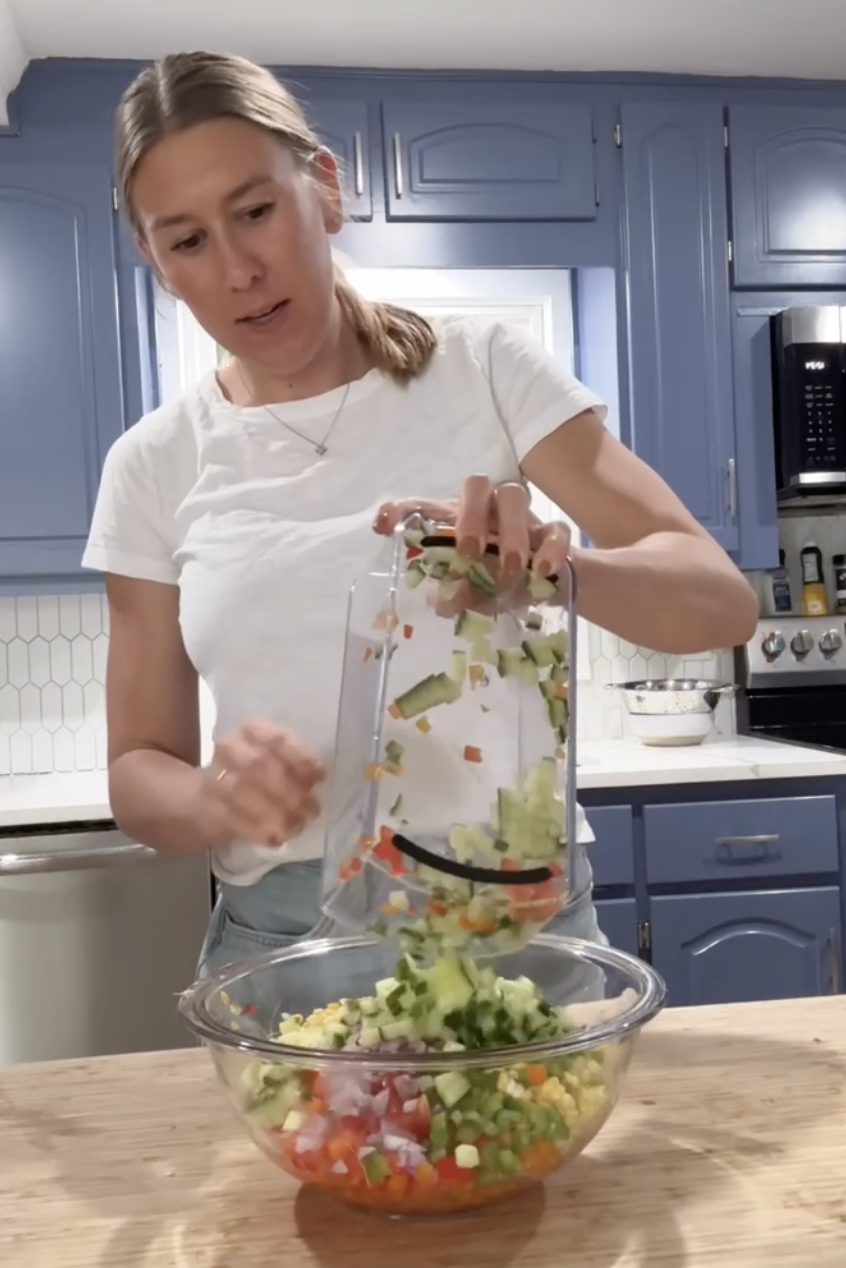
KASEY:
Meanwhile, my origin story is significantly less profound. 😂 I just hated vegetables. And I mean hated them. I'm talking a full meat and potato diet for my first 16 years of life. I would literally gag if I tried to eat a veggie.
By high school, I was tired of being weird about food (it was lowkey embarrassing to be so picky). Add in a very toxic, very poorly timed lecture about health (re: weight) from a volleyball coach and that was the tipping point I needed to bully myself into eating vegetables. 0/10 on the shame induced kick off, but 10/10 recommend challenging yourself to expand your palate because now... they're some of my favorite foods!
So while Ryann eventually had to teach herself how to eat vegetables again without feeling like she was dieting, I had to teach myself how to like the damn things at all.
Which, considering the letters RD would eventually appear after my name, feels like an important plot twist.
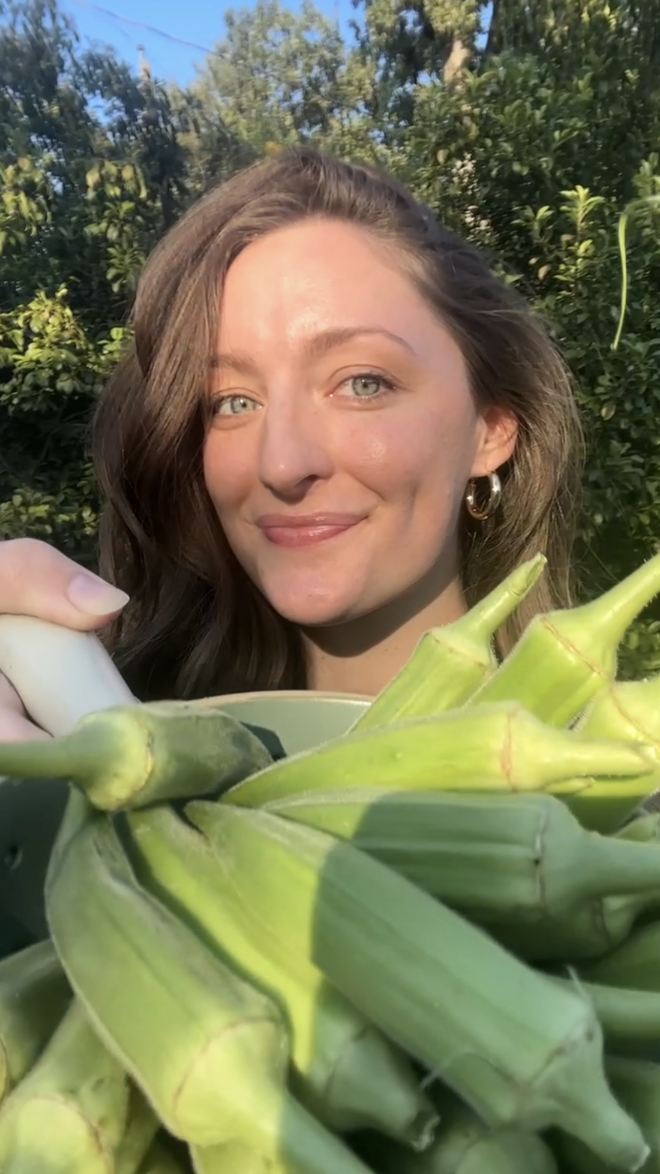
TWO VERY DIFFERENT PROBLEMS. SAME CONCLUSION.
Neither of us needed someone to tell us vegetables were “good for us.” We knew and knowing didn't magically make either of us want to eat the bag of broccoli slowly liquefying in the produce drawer.
We had to stop treating “eat more vegetables” like an instruction and start treating it like a problem we could actually make easier.
That distinction has changed a LOT about how we think about healthy habits now. Because when you want to eat more vegetables, the immediate instinct is usually to focus on discipline:
🗣️ I need to be better about eating them.
🗣️ I should add a vegetable to every meal.
🗣️ I bought the spinach, so I need to use it.
(Which to that Ryann would say: How is that working for you? Considering you clicked on an article about how to eat more vegetables, I'm going to go ahead and assume we have our answer. 👀)

SO, before you turn vegetables into yet another thing you're inexplicably failing at despite being a competent adult who manages to do many significantly harder things every day, let's ask:
What is making veggies hard to want?
Maybe you genuinely don't like the vegetables you're buying?? (You are not legally required to enjoy kale.)
Maybe you like vegetables, but not steamed into submission and served completely naked on the side of your plate? (Nobody is making you eat sad broccoli.)
Maybe washing, chopping, seasoning, cooking, AND cleaning up afterward feels like way too much work? (A vegetable requiring three dishes is pushing it for us, too.)
Or maybe, like Ryann, eating a giant salad still carries a faint whiff of: Look at me being GOOD today?? (Ah yes, the morality salad.)
Those are completely different problems so of course they need completely different solutions.
For Example
- If the problem is taste, we make them taste better.
- If the problem is effort, we make them easier.
- If the problem is remembering, we make them more visible.
- If the problem is old diet baggage, we stop using them as the thing that makes a meal “good” and start letting them simply be...food.
You don't need to suffer through kale to be healthy and Diet Version Of You™ doesn't get permanent ownership of vegetables.
The goal isn't to become someone who is really good at making herself eat vegetables. The goal is to make eating vegetables easy enough and enjoyable enough that you don't need to make yourself do it.
Let's Chat Veg
Vegetables give us a huge variety of vitamins, minerals, and plant compounds, and they're one very easy way to get something we're currently borderline insufferable about: FIBER.
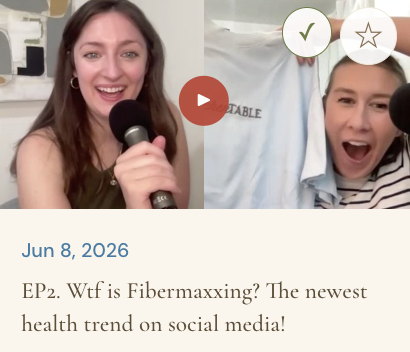
If you listened to our Fibermaxxing episode, you already know our current campaign: Fiber is the new protein.
Fiber can help with fullness, supports digestion and regularity, and feeds the beneficial bacteria hanging out in your gut.
Can you get fiber without vegetables? Absolutely. Beans, lentils, fruit, whole grains, nuts, seeds - we love her in all her forms.
We're not trying to convince you that you need to eat a mountain of broccoli to be healthy!! (Please don't. You'll be farting up a storm and blaming us. 😳)
We just don't think moving beyond diet culture requires spending the rest of your life avoiding perfectly healthy foods because your dieting self happened to eat them too.
You get to decide what taking care of yourself looks like now. For both of us, that includes eating a lot of vegetables BUT the vegetables we eat today look VERY different from the sad, obligatory vegetables both of us thought we were supposed to eat years ago!!
Okay, but how do we actually eat the damn vegetables?
Below we're getting ridiculously practical and showing you exactly how we do it:
🥦 The vegetables we almost always buy
🥦 How we make them taste legitimately good
🥦 Our shortcuts for getting them onto the plate without creating more work
🥦 What we pair them with so we're actually excited to eat them
🥦 And the stupidly simple swaps that helped both of us go from I should probably eat more vegetables to just eating more vegetables.
📌 Psst — The rest of this one is for Kitchen Table members.
If you're already sitting at the table, keep scrolling. ↓
If you're not, The Kitchen Table is our $15/month community for women who are past needing another program, but not past wanting a place to talk about this stuff.
Inside, you get:
- Private Podcast — A weekly conversation where we talk food, bodies, health, goals, wellness trends, and whatever else we're currently trying to figure out.
- Recipes + Meal Plans — Genuinely good food that makes eating well easier, plus a fresh monthly meal plan + grocery list.
- Ask Ryann + Kasey — Bring us the question you'd otherwise spend three hours Googling. You get a therapist brain + dietitian brain on it.
- Resources + Tools — The stuff actually worth saving and coming back to.
- The Community — Women who understand the backstory without needing you to explain it first.
Plus, the entire Kitchen Table archive unlocks the second you join.
Every podcast. Every recipe. Every meal plan. Every resource. And everything we're making next.
[Pull Up a Chair, $15/month.
Cancel anytime.